
Freeze dried raw dog food has gained significant popularity among pet owners seeking a nutritious and natural diet for their dogs. This feeding approach combines the benefits of raw food diets with the convenience of freeze-drying, offering a viable alternative to traditional kibble. In this comprehensive overview of dog food freeze dried raw, we will explore what makes this diet unique, how it works, and its potential benefits and drawbacks. Additionally, we will address common questions to help you determine if this diet is suitable for your furry friend. For more detail, see official guidance.
What is Freeze Dried Raw Dog Food?. For more detail, see further information.
Freeze dried raw dog food is a type of dog food that is made by freeze-drying raw ingredients. This process involves freezing the raw food and then removing the moisture through sublimation, turning the ice directly into vapour without passing through a liquid phase. The result is a shelf-stable product that retains most of the nutritional benefits of raw food. For more detail, see detailed advice.
The Freeze-Drying Process. For more detail, see planning resources.
The main advantage of the freeze-drying process is the preservation of nutrients. By removing moisture without heat, the food maintains its original nutritional content and flavour. This process also eliminates the need for artificial preservatives, making it a healthier choice for dogs. The FDA supports this method as a means to maintain the food’s integrity while ensuring it remains safe for consumption. For more detail, see local insights.
Nutritional Advantages
Freeze dried raw dog food often contains higher levels of protein compared to conventional kibble. This is due to the inclusion of whole, raw ingredients such as muscle meat, organs, and bones. The American Kennel Club notes that high-quality protein is essential for maintaining healthy muscles and supporting overall vitality in dogs.
Convenience and Shelf Stability
One of the primary reasons pet owners opt for freeze dried raw dog food is its convenience. Unlike fresh raw diets that require refrigeration, freeze dried products are lightweight and easy to store. They can be rehydrated quickly with water, making them a practical option for travel or busy lifestyles.
Enhanced Palatability
Many dogs find freeze dried raw foods more palatable due to their natural flavours and textures. This can be particularly beneficial for picky eaters or dogs with decreased appetites.
Cost Considerations
One of the main drawbacks of freeze dried raw dog food is its cost. Due to the quality of ingredients and the freeze-drying process, these products tend to be more expensive than traditional kibble. However, the investment in better nutrition can lead to long-term health benefits, potentially reducing veterinary costs.
Rehydration Requirement
Freeze dried raw food must be rehydrated before feeding to prevent dehydration in dogs. While this step is simple, it does require extra time and effort compared to pouring kibble directly from a bag.
Potential Risks
As with all raw diets, there is a potential risk of bacterial contamination if proper handling and hygiene practices are not followed. The WSAVA advises pet owners to adhere to strict hygiene measures to minimise these risks.
When selecting freeze dried raw dog food, look for brands that prioritise high-quality ingredients and transparency. Checking for AAFCO (Association of American Feed Control Officials) nutritional adequacy statements is crucial to ensure the diet meets the necessary dietary requirements for your dog. For more detailed guidance on choosing pet foods, the AAFCO nutrient profiles can be a helpful resource.
Freeze dried raw dog food presents a compelling option for pet owners seeking a nutritious and convenient diet for their dogs. By understanding the freeze-drying process, its benefits, and potential drawbacks, you can make an informed decision about whether this diet aligns with your dog’s needs and your lifestyle. As always, consult with your veterinarian to ensure any dietary changes are appropriate for your pet.
1. Is freeze dried raw dog food safe for all dogs?
Freeze dried raw dog food is generally safe for most dogs. However, dogs with specific health conditions or dietary restrictions should be evaluated by a veterinarian before transitioning to this diet.
2. How do I transition my dog to a freeze dried raw diet?
Gradually introduce the new food by mixing it with your dog’s current diet, increasing the proportion of freeze dried raw food over 7–10 days to prevent digestive upset.
3. Can freeze dried raw dog food be fed as a complete diet?
Yes, many freeze dried raw dog foods are formulated to be complete and balanced diets. Check for AAFCO certification to ensure nutritional adequacy.
4. How should I store freeze dried raw dog food?
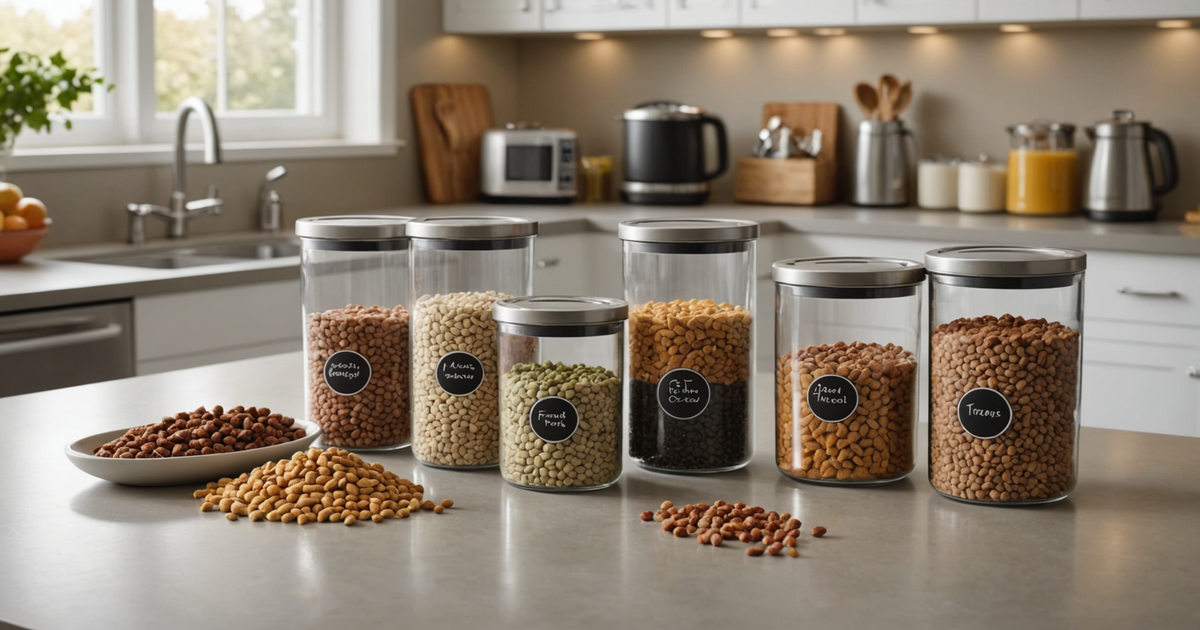
Store freeze dried raw dog food in a cool, dry place. Once opened, reseal the bag tightly or transfer the food to an airtight container to maintain freshness.
5. Are there specific brands of freeze dried raw dog food you recommend?
Look for reputable brands that prioritise quality ingredients and transparency. Consulting pet nutrition resources and reviews can also help guide your choice.
6. Can I use freeze dried raw food as a treat?
Yes, freeze dried raw food can be used as a treat or food topper. For more treat options, consider salmon treats.
7. Is freeze dried raw food suitable for puppies?
Some freeze dried raw foods are formulated for all life stages, including puppies. Always check the label and consult with a veterinarian to ensure it meets your puppy’s nutritional requirements.
8. How do I ensure my dog’s diet is nutritionally complete?
Consult with a veterinarian and use resources like the Pet Nutrition Alliance to ensure your dog’s diet is balanced and complete.