

For pet owners committed to providing the best for their furry companions, every aspect of pet care is crucial. Among these is the question of food storage. “Can you freeze canned dog food?” is a common query among conscientious dog owners. Freezing can be an effective way to extend the shelf life of food products, but does it apply to canned dog food as well? This blog post explores whether freezing canned dog food is a viable option, how it affects the nutritional value, and the best practices for doing so. For more detail, see official guidance.
Canned dog food is a popular choice among pet owners due to its high moisture content and palatability. It often contains fewer preservatives than dry kibble, making it a more natural choice for many. However, the lack of preservatives also means that once opened, canned dog food has a relatively short shelf life. For this reason, many pet owners consider freezing as a method to prolong its usability. For more detail, see further information.
Freezing is a common preservation method that slows down the activity of enzymes and bacteria, thereby extending the shelf life of food products. But how does this affect canned dog food? For more detail, see planning resources.
Nutritional Integrity: According to Pet Nutrition Alliance, freezing does not significantly alter the nutritional content of dog food. However, it is crucial to ensure the food is properly thawed to maintain its original nutrient levels. For more detail, see local insights.
Texture and Appearance: Freezing can cause changes in the texture and appearance of canned dog food. The moisture content can crystallise, leading to a grainy texture once thawed. It is essential to monitor your dog’s acceptance of the food after freezing, as changes in texture might affect its palatability.
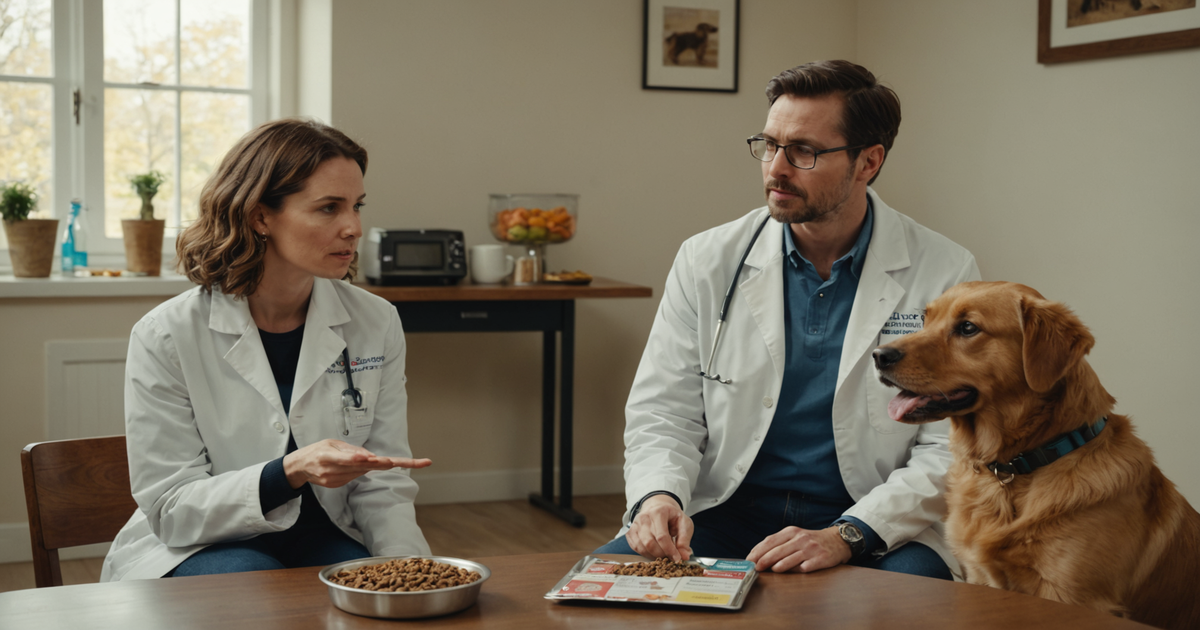
If you decide to freeze canned dog food, certain steps can help maintain its quality:
Portioning: Before freezing, divide the food into meal-sized portions. This way, you only thaw what you need, reducing waste and ensuring freshness.
Storage Containers: Use airtight containers or freezer-safe bags to prevent freezer burn and contamination. Label each container with the date of freezing to keep track of its shelf life.
Thawing: Always thaw the food gradually in the refrigerator. Rapid thawing at room temperature can lead to bacterial growth, compromising your dog’s health.
Freezing canned dog food offers several advantages for pet owners:
Reduced Waste: By freezing, you can prevent wastage of leftover food, making it a cost-effective solution.
Convenience: Having frozen portions ready can save time, especially for busy pet owners.
Emergency Preparedness: Keeping a stock of frozen dog food ensures you have a backup during emergencies or shortages.
While freezing is a viable option, it is not without its considerations. According to the American Kennel Club, maintaining a balanced diet is crucial for your dog’s health. Mixing frozen portions with fresh options can ensure nutritional balance. For more insight into maintaining a balanced diet, explore our freeze-dried raw diet for dogs guide.
Additionally, some dogs might have specific dietary needs or preferences. Consulting with a veterinarian or a pet nutrition expert can provide personalised advice, ensuring your dog’s dietary needs are met adequately.
So, can you freeze canned dog food? The answer is yes, but with careful consideration of the factors involved. Freezing can be an effective way to extend the shelf life of your dog’s food, provided it is done correctly. By following best practices for freezing and thawing, you can ensure that your furry friend receives the nutrition they need without compromising on quality or safety.
Most types of canned dog food can be frozen, but it’s important to check the manufacturer’s guidelines. Some brands might have specific instructions.
Typically, frozen canned dog food can be stored for up to six months. Always label the containers with the date of freezing to track its shelf life.
Freezing can alter the texture, which may affect taste perception. Monitor your dog’s acceptance of the food post-thawing.
It is not recommended to refreeze thawed dog food as this can increase the risk of bacterial contamination.
Both can be frozen, but homemade food might require more careful portioning and packaging to maintain its quality.
Yes, alternatives include refrigeration for short-term storage. For long-term options, consider using freeze-dried treats to complement your dog’s diet.
If your dog is hesitant, try mixing it with fresh food or gradually introducing the frozen food to their diet. Consult a vet if the issue persists.
For more comprehensive guidance, visit the Pet Food And Treats section on the FDA’s website to ensure you’re providing complete and balanced nutrition.