
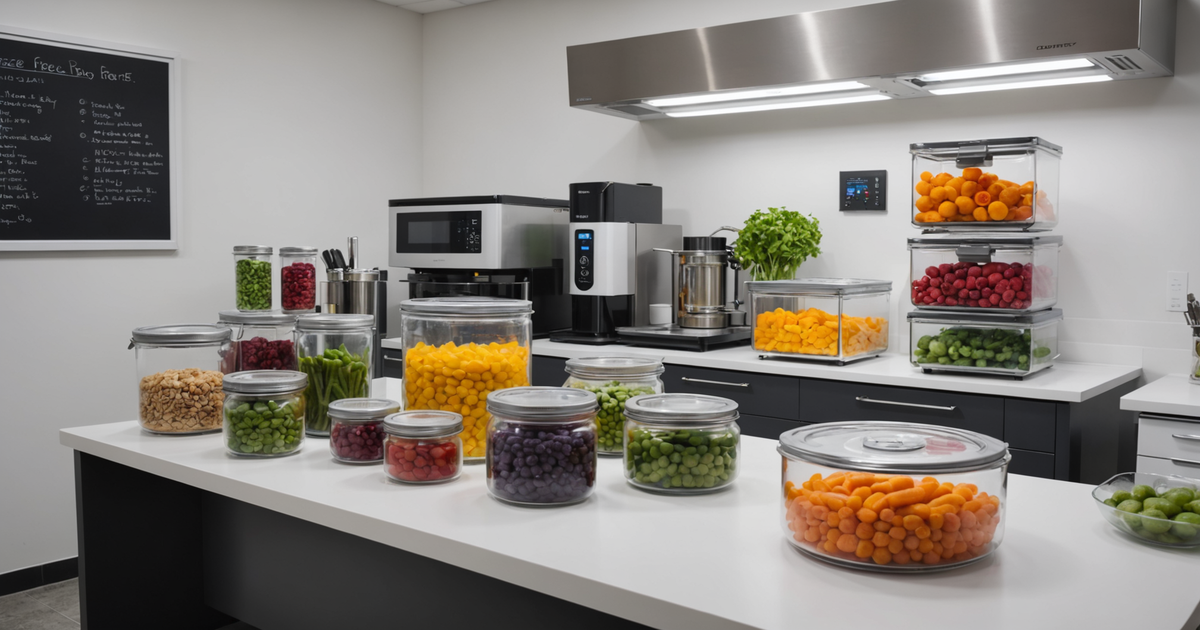
In the realm of pet preservation and nutrition, freeze drying has emerged as a revolutionary technique. Not only does it offer a unique method to preserve the physical form of pets post-mortem, but it also plays a significant role in creating long-lasting pet food and treats. This article delves into the process of freeze drying pets, explaining how it works and why it is used. Our focus will be on the intricacies of the freeze-drying process, its benefits, and why it is becoming increasingly popular among pet owners. For more detail, see official guidance.
Freeze drying, or lyophilisation, is a preservation process that removes moisture from organic material. This is achieved by freezing the item, reducing the surrounding pressure, and then allowing the frozen water to sublimate directly from solid ice to vapour. This method retains the structural integrity and appearance of the original item, making it ideal for both food preservation and post-mortem pet preservation. For more detail, see further information.
The freeze-drying process involves three main stages:. For more detail, see planning resources.
Freezing: The pet or food is frozen to a temperature well below freezing point. This ensures that all the water content is solidified into ice. For more detail, see local insights.
Primary Drying (Sublimation): The frozen item is placed in a vacuum chamber. The pressure is reduced, allowing the ice to sublimate directly into water vapour without passing through the liquid phase. This process removes about 95% of the water content.
Secondary Drying (Desorption): Any remaining water molecules are removed by gradually raising the temperature. This step ensures that the material is completely dehydrated and stable for long-term preservation.
Freeze drying is particularly appealing for pet owners looking to create a lasting memorial of their beloved companions. Unlike traditional taxidermy, freeze drying retains the pet’s natural appearance, including its facial expressions and body posture. This method is also non-invasive, ensuring that the pet remains intact throughout the process.
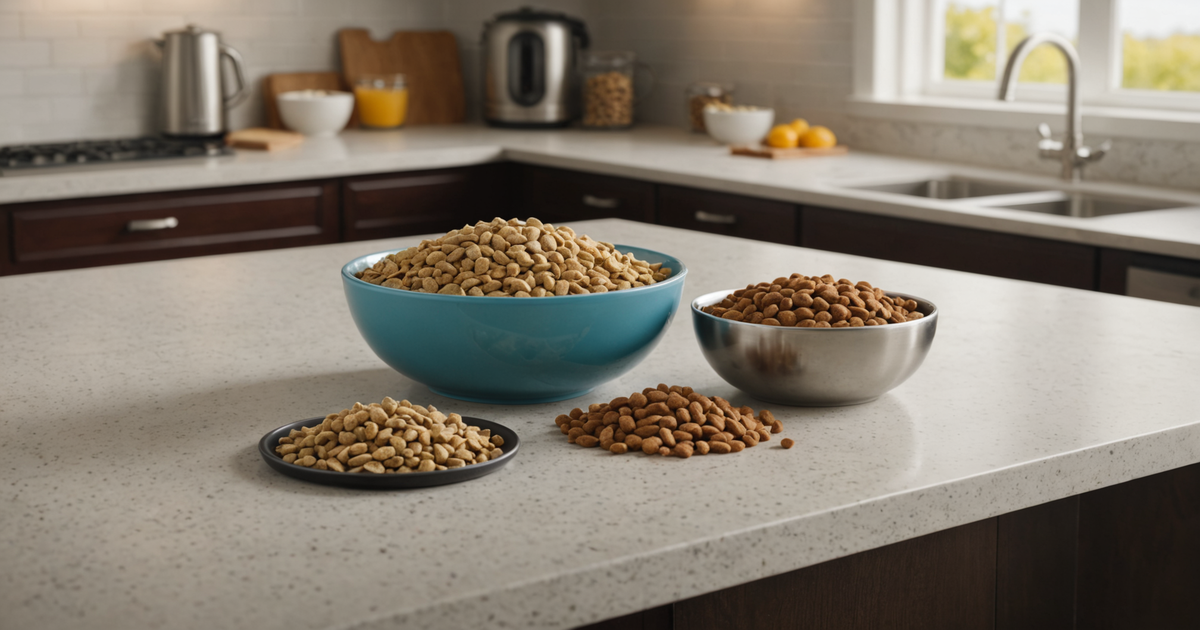
One of the primary benefits of freeze drying is the preservation of the physical form and nutritional content over extended periods. For pet food, this means that freeze-dried meals for pets retain their vitamins, minerals, and taste without the need for artificial preservatives.
According to the Pet Nutrition Alliance, freeze-dried pet foods maintain their nutritional integrity far better than canned or kibble alternatives. This method locks in nutrients that are essential for your pet’s health.
Freeze-dried products are lightweight and require no refrigeration, making them convenient for pet owners. This is particularly advantageous for those who travel or have limited storage space. Rehydrating freeze-dried food is simple, requiring only water to restore it to its original state.
Freeze-drying eliminates the need for preservatives that could be harmful to pets. By removing moisture, it also reduces the risk of bacterial growth, which is critical for both pet health and safety.
In conclusion, freeze drying offers a unique and highly effective way to preserve both the memory of a beloved pet and the nutritional quality of pet food. As more pet owners discover the benefits of freeze drying, its popularity is set to increase further. Whether you are looking to create a lasting tribute to your pet or provide them with high-quality nutrition, freeze drying is a process worth considering.
Freeze drying is a method of preservation that removes moisture from a product through freezing, sublimation, and desorption. This process keeps the item’s structure and nutrients intact.
Freeze drying preserves the pet’s natural appearance and expression, creating a lifelike memorial. It is a non-invasive process that maintains the integrity of the pet.
Yes, freeze-dried pet food retains nearly all the original nutrients. However, always check products that meet the AAFCO’s nutritional profiles.
Freeze-dried pet food should be stored in a cool, dry place. It is lightweight and does not require refrigeration, making it convenient for storage and travel.
While freeze-dried foods are generally safe, it is essential to ensure they are properly rehydrated before feeding. Consult resources like the FDA’s guidelines on pet food safety.
Compared to traditional methods like canning or kibble production, freeze drying better preserves the pet’s natural nutrients and flavour without artificial preservatives. Learn more about the advantages of freeze-dried dog food.
Freeze-dried food is suitable for most pets, but it’s essential to ensure it meets the specific dietary needs of your pet. Consult your vet or refer to resources like the WSAVA Global Nutrition Toolkit for guidance.