
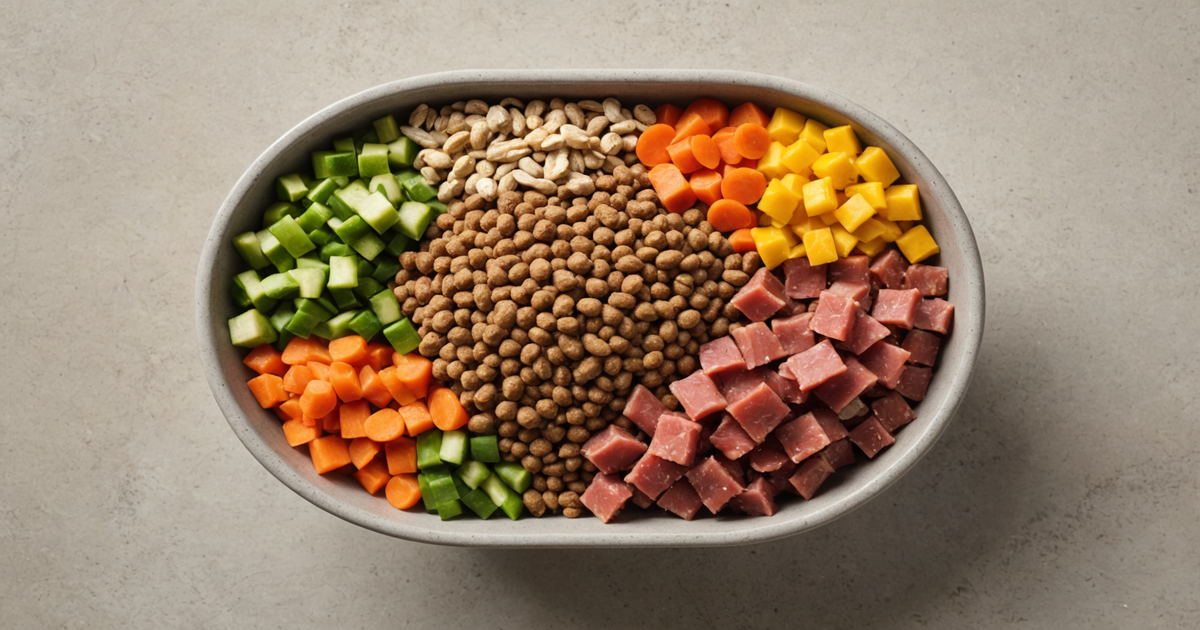
As pet owners increasingly seek healthier and more convenient meal options for their canine companions, freeze-dried dog food has gained popularity. But is freeze dried food good for dogs? This article delves into the nutritional benefits, potential drawbacks, and overall suitability of freeze-dried food for our furry friends. By understanding these factors, you can make an informed decision about incorporating freeze-dried options into your dog’s diet. For more detail, see official guidance.
Freeze-dried dog food is created by removing moisture from the raw ingredients through a process called sublimation. This method preserves the nutritional integrity of the food while extending its shelf life. Freeze-dried food typically contains high-quality meats, vegetables, and fruits, offering a balanced diet for dogs. According to the American Kennel Club, this preservation technique retains more nutrients compared to traditional cooking methods. For more detail, see further information.
One of the primary advantages of freeze-dried food is its nutritional value. The Pet Nutrition Alliance highlights that freeze-drying preserves essential nutrients, such as vitamins, minerals, and amino acids, which can degrade during high-heat processing methods used in kibble production. This makes freeze-dried options a more nutrient-dense choice for your pet. For more detail, see planning resources.
Freeze-dried food is often more digestible compared to kibble. The World Small Animal Veterinary Association notes that the raw nature of freeze-dried diets can lead to better digestion and nutrient absorption. Additionally, many dogs find the taste and texture of freeze-dried food more appealing, which can be particularly beneficial for picky eaters or those transitioning from a different diet.
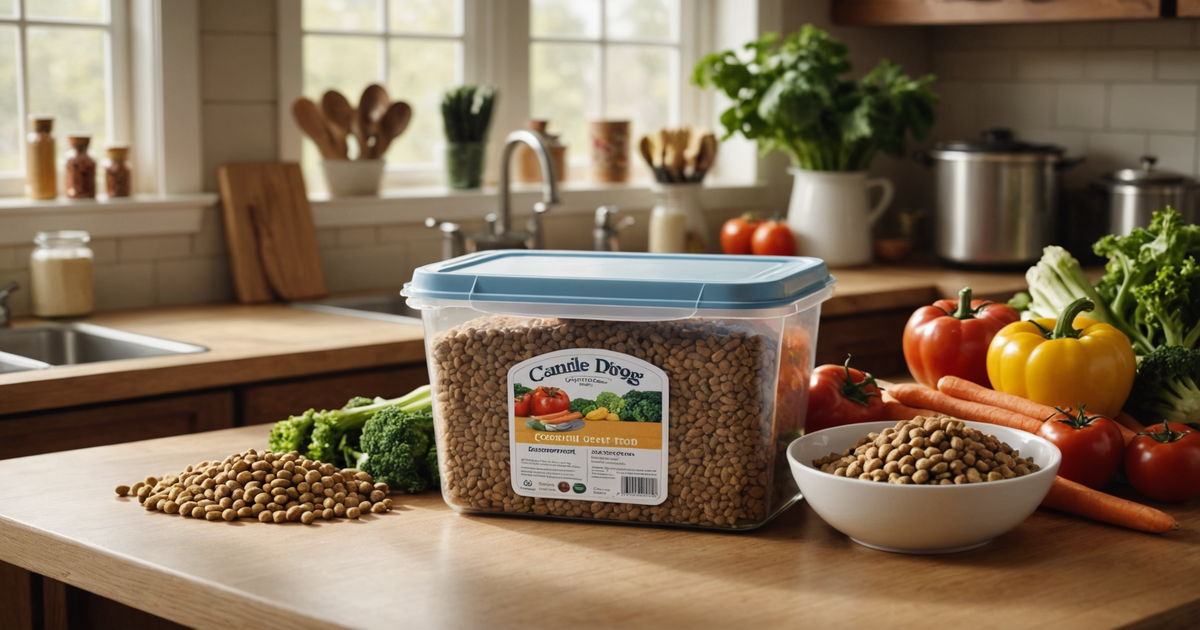
Freeze-dried dog food is incredibly convenient for pet owners. The lightweight and compact packaging make it easy to store and transport, ideal for both daily feeding and travel. Moreover, it has a longer shelf life than fresh or refrigerated dog foods, reducing waste and ensuring you always have food on hand.
While freeze-dried food offers numerous benefits, there are some considerations to keep in mind. The American Veterinary Medical Association advises pet owners to be cautious about the potential for bacterial contamination. Although the freeze-drying process reduces the risk, it does not eliminate it entirely. Therefore, handling and preparation should be done with care.
Freeze-dried dog food is often more expensive than traditional kibble. This can be a significant factor for pet owners on a budget. However, considering the nutritional benefits, the cost may be justified for those prioritising their pet’s health. For budget-friendly options, you might explore our top freeze-dried dog food brands.
If you decide to switch your dog to a freeze-dried diet, it’s essential to transition slowly. Gradually mix increasing amounts of freeze-dried food with your dog’s current diet over a week or two. This gradual transition helps to prevent digestive upset and allows your dog’s system to adapt to the new food.
So, is freeze dried food good for dogs? The answer is a resounding yes, provided that the food is nutritionally balanced and suitable for your dog’s specific needs. Freeze-dried dog food offers high nutritional value, improved digestibility, and convenience, making it an excellent option for many pet owners. However, it’s crucial to weigh the benefits against potential drawbacks such as cost and the risk of bacterial contamination.
For more information on selecting the right freeze-dried food for your dog, explore our freeze-dried dog food top picks for 2025. Additionally, consider reading about safe and healthy pet treats to complement your dog’s diet.
Freeze-dried dog food is made by removing moisture from raw ingredients through sublimation, preserving their nutritional integrity and extending shelf life.
Freeze-dried dog food often retains more nutrients and is more digestible compared to kibble, making it a healthier option for many dogs.
Gradually introduce freeze-dried food by mixing it with your dog’s current diet over a week or two to prevent digestive upset.
While freeze-dried food reduces the risk of bacterial contamination, it does not eliminate it entirely. Proper handling and preparation are advised.
Most dogs can benefit from freeze-dried food, but it’s essential to consider your dog’s specific dietary needs and consult with your veterinarian.
The process of freeze-drying and the high-quality ingredients used often result in a higher price compared to traditional kibble.
Yes, freeze-dried food can be used as a nutritious treat. Explore options like Nutri Bites Beef Liver Dog Treats for healthy snacking.
Freeze-dried dog food is available at most pet stores and online retailers. Check out our top freeze-dried dog food brands for recommendations.