
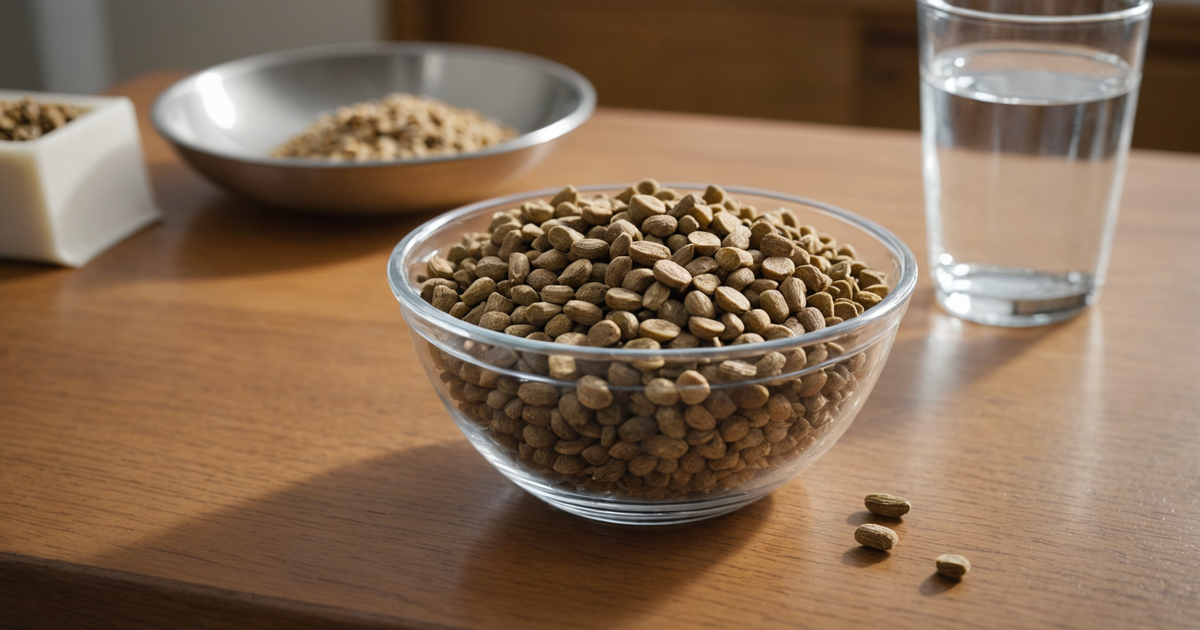
In recent years, freeze dried puppy food has gained significant popularity among pet owners seeking nutritious and convenient options for their furry friends. This unique form of pet food offers a myriad of benefits, including preserving the natural flavours and nutrients that are often lost in traditional kibble. In this comprehensive guide, we will delve into the world of freeze dried puppy food, exploring its benefits, how it compares to other types of pet food, and what to consider when choosing the best option for your puppy. For more detail, see official guidance.
Freeze drying is a process that involves removing moisture from food by freezing it and then reducing the surrounding pressure to allow the frozen water in the food to sublimate directly from a solid to a gas. This process preserves the nutritional content of the food, making it a popular choice for pet owners who prioritise natural, high-quality ingredients. For more detail, see further information.
Nutrient Preservation: Freeze drying maintains the food’s nutritional integrity, ensuring that your puppy receives all the essential vitamins and minerals needed for growth and development. For a deeper understanding of the nutrients required for puppies, the Pet Food and Treats section by the FDA provides valuable insights. For more detail, see planning resources.
Enhanced Flavour: Puppies can be picky eaters, but the natural taste and aroma of freeze dried food often appeal more to their palates compared to conventional kibble. For more detail, see local insights.
Convenience: Freeze dried food is lightweight and easy to store, making it an excellent option for travel or for those with limited space.
Long Shelf Life: Without moisture, freeze dried foods resist spoilage, offering a longer shelf life than fresh or refrigerated alternatives. Learn more about pet food storage from the Pet Nutrition Alliance.
When considering freeze dried puppy food, it’s essential to compare it to other types of dog food available on the market:
Kibble: While kibble is cost-effective and convenient, it often contains fillers and preservatives that can detract from its nutritional value. Freeze dried food tends to be more nutritious and free from unnecessary additives.
Raw Food: Both freeze dried and raw foods aim to provide a natural diet. However, freeze dried food eliminates the risk of bacteria common in raw diets, making it a safer choice for puppies.
Canned Food: Canned food offers high moisture content, which is beneficial for hydration. However, freeze dried food can be rehydrated, offering the same benefit without the bulk.
For a detailed comparison of various dog food types, you can explore the Dog Foods section in the MSD Veterinary Manual.
When selecting a freeze dried puppy food, consider the following factors to ensure you’re making the best choice for your pup:
Always examine the ingredient list and nutritional profile. Look for options that feature high-quality proteins, such as chicken, beef, or fish, as the primary ingredient. Avoid foods with excessive fillers or artificial additives. The AAFCO Nutrient Profiles can help guide you in understanding what a balanced diet for puppies should include.
Choose brands that adhere to high safety and quality standards. Reputable brands will often have their products tested by independent labs and will comply with AAFCO guidelines. You can also review pet food reviews to gauge other pet owners’ experiences.
Freeze dried puppy food is typically rehydrated with water before serving. Ensure the food you choose comes with clear instructions for rehydration to maintain nutritional balance and palatability.

While freeze dried foods can be more expensive than traditional kibble, they offer superior nutrition and convenience. Consider your budget and weigh the cost against the health benefits for your puppy.
Freeze dried puppy food offers an excellent blend of convenience, nutrition, and taste, making it a favoured option among discerning pet owners. By understanding the benefits and considerations involved in choosing the right freeze dried food, you can ensure that your puppy receives a balanced and wholesome diet. For more on nutritious dog treats, check out our best freeze dried dog food ranked guide.
Freeze dried puppy food is a type of pet food that has undergone a process to remove moisture while preserving the nutritional integrity of the ingredients. This results in lightweight, shelf-stable food that retains its natural taste and nutrients.
Store freeze dried puppy food in a cool, dry place, away from direct sunlight. Once opened, reseal the packaging to maintain freshness and prevent moisture exposure.
Yes, freeze dried puppy food is safe when sourced from reputable brands that follow AAFCO guidelines. It provides a safe alternative to raw diets, minimising the risk of bacterial contamination.
Absolutely. Many pet owners choose to mix freeze dried food with kibble to enhance flavour and increase nutritional value. Ensure the combined diet meets your puppy’s dietary requirements as outlined by the WSAVA Global Nutrition Guidelines.
Gradually introduce freeze dried food by mixing it with your puppy’s current diet, increasing the proportion of freeze dried food over 7 to 10 days. This gradual transition helps prevent digestive upset.
While personal preferences and needs vary, you can explore our product reviews for insights into some of the top-rated freeze dried puppy foods available.
Feeding guidelines vary by brand and puppy size. Always refer to the manufacturer’s instructions and consult your veterinarian to determine the appropriate portion for your puppy’s age, weight, and activity level. For more, visit the AKC’s guide on dog nutrition.