

In recent years, freeze dried dog foods have gained considerable popularity among pet owners seeking a convenient yet nutritious diet for their furry companions. These foods offer a unique method of preservation that maintains the nutritional value while extending shelf life. In this comprehensive review, we delve into the benefits, drawbacks, and considerations of freeze dried dog foods, helping you make an informed choice for your pet’s diet. For more detail, see official guidance.
Freeze dried dog food is made by removing moisture through a sublimation process, where water is extracted from the food by freezing and then directly converting the ice into vapor. This method retains the original nutritional components, making it a popular choice for those who wish to feed their dogs high-quality, minimally processed meals. For more detail, see further information.
Nutrient Retention: Unlike traditional kibble, freeze dried dog foods retain most of their nutrients, as the freeze drying process preserves the integrity of vitamins, minerals, and proteins. For more detail, see planning resources.
Convenience: These foods are lightweight and have a long shelf life, making them ideal for travel or emergency food storage. For more detail, see local insights.
Palatability: Many dogs find freeze dried foods more palatable due to their rich flavours and the retention of natural aromas.
Minimal Processing: The process involves fewer steps than traditional pet food manufacturing, resulting in a product closer to a dog’s natural diet.
For more information on maintaining your pet’s health with minimal processing, see our animal care tips.
Cost: Freeze dried dog foods can be more expensive compared to traditional kibble due to the complex manufacturing process.
Rehydration Requirement: Many freeze dried foods require rehydration before feeding, adding an extra step for pet owners.
Potential for Imbalance: While many freeze dried products aim to be complete and balanced, it’s essential to verify that they meet the AAFCO nutrient profiles.
When evaluating freeze dried dog foods, it’s essential to consider the ingredient quality, nutritional adequacy, and brand reputation. Below, we review some popular options available in the market.
Ingredients & Nutritional Profile: Brand A offers a variety of protein sources such as chicken, beef, and fish, supplemented with fruits and vegetables. Their formulas are designed to meet the AAFCO standards for balanced nutrition.
Pros: High-quality ingredients and a wide range of flavours.
Cons: Higher price point.
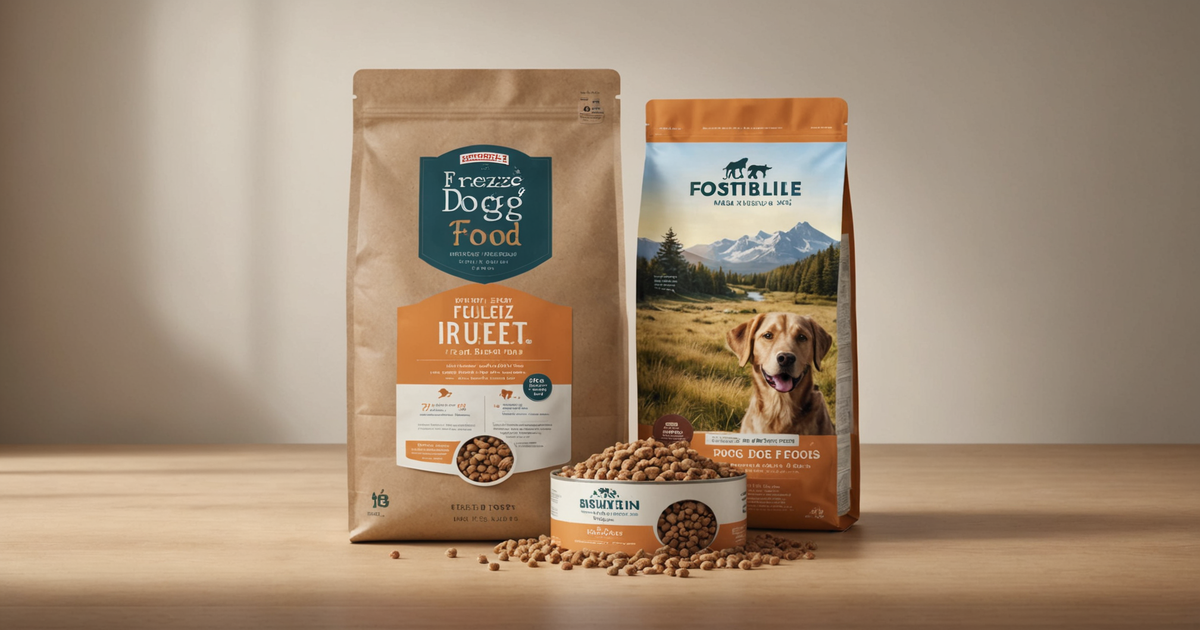
Ingredients & Nutritional Profile: Brand B focuses on single-protein sources with minimal additives. They pride themselves on transparency, providing detailed sourcing information.
Pros: Single-protein options are great for dogs with allergies.
Cons: Limited variety in flavours.
For additional training treat options, consider our freeze dried minnows.
Ingredients & Nutritional Profile: Known for their sustainable practices, Brand C uses ethically sourced meats and organic produce. Their formulas are rich in omega fatty acids, beneficial for skin and coat health.
Pros: Environmentally friendly and nutritionally dense.
Cons: Requires careful portion control to prevent overfeeding.
Freeze dried dog foods offer a compelling option for pet owners seeking a nutritious, convenient alternative to traditional dog food. While the cost may be higher, the benefits of nutrient retention and minimal processing make it a worthy consideration for many. As always, consult with your veterinarian to ensure any dietary changes meet your dog’s specific health needs.
For more insights on pet nutrition, explore our nutrition guides.
Freeze dried dog foods offer superior nutrient retention and are free from the high-temperature processing that can degrade proteins and vitamins in kibble. For more on pet food quality, refer to the FDA’s guide on pet foods.
Yes, freeze dried dog foods can be suitable for all breeds, but it’s crucial to select a formula that meets the specific nutritional needs of your dog’s life stage and health status. Consult the WSAVA guidelines for more advice.
Transitioning should be gradual, over 7-10 days, mixing increasing amounts of freeze dried food with the current diet to prevent digestive upset. Learn more about proper diet transitions here.
While many freeze dried foods are formulated to be complete and balanced, it’s essential to check for AAFCO certification on the packaging.
Store in a cool, dry place and ensure the packaging is sealed to maintain freshness. For tips on storage, see pet food storage guidelines.
Yes, freeze dried dog foods can also be used as high-value treats. For more treat options, check out our healthy treats selection.
The best brand for your dog depends on their specific dietary needs and preferences. Brands with high-quality ingredients and AAFCO certification are recommended. For more on choosing the right brand, visit AKC’s guide on dog food.
Yes, but ensure the formula is specifically designed for puppies and meets their nutritional requirements. Consult with a veterinarian or refer to the Puppy Nutrition Guidelines for more information.