
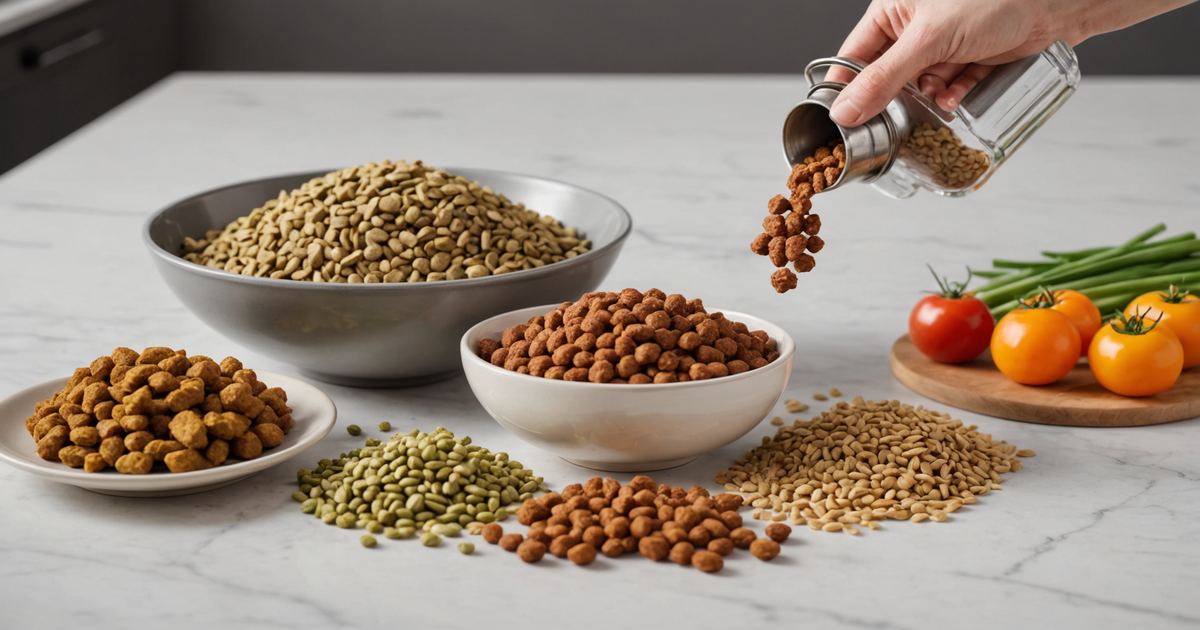
The dietary needs of dogs have evolved significantly over the years, leading many pet owners to explore alternative feeding options that mimic their natural diet. Among these, the freeze dried raw diet for dogs has gained considerable attention. This diet offers the benefits of raw feeding, such as fresher ingredients and fewer preservatives, while providing the convenience of dry dog food. In this article, we will delve into the benefits of a freeze dried raw diet, how it compares to other feeding methods, and why it might be the optimal choice for your canine companion. For more detail, see official guidance.
Freeze drying is a preservation method that removes moisture from raw ingredients, making them shelf-stable while retaining most of their nutritional value. This process involves freezing the raw food and then reducing the surrounding pressure to allow the frozen water in the food to sublimate directly from solid to gas. The result is a lightweight, long-lasting product that maintains the integrity of the raw ingredients. For more detail, see further information.
Nutritional Value: Unlike traditional kibble that often contains fillers and artificial additives, freeze dried raw diets maintain a high nutritional profile. This is due to the preservation of raw ingredients’ vitamins, minerals, and enzymes, essential for your dog’s health and well-being. For more detail, see planning resources.
Convenience and Shelf Life: Freeze dried foods are easy to store and transport. They do not require refrigeration, making them perfect for busy pet owners or those who travel frequently with their dogs. Simply add water, and they rehydrate quickly for a meal bursting with raw nutrition. For more detail, see local insights.
Palatability: Many dogs find freeze dried raw diets more palatable than traditional kibble. The rich aroma and flavour of raw ingredients, such as those found in salmon minis, appeal to their natural instincts.
When deciding on the best diet for your dog, it’s essential to compare various options:
Traditional Kibble: While convenient, kibble often contains grains and fillers that some dogs may find hard to digest. Additionally, the cooking process can degrade the nutritional content.
Fresh or Homemade Diets: These can be highly nutritious but are often time-consuming to prepare and require careful balancing to ensure complete nutrition. The WSAVA Global Nutrition Toolkit provides guidelines for those opting for homemade meals.
Raw Diets: While raw diets are nutritionally dense, they can be difficult to store and pose a risk of bacterial contamination if not handled properly. Freeze dried raw diets mitigate these risks by removing moisture, making them safer without losing the raw benefits.
Transitioning your dog to a freeze dried raw diet involves careful planning to ensure a smooth changeover:
Gradual Introduction: Begin by mixing a small amount of freeze dried food with your dog’s current diet, gradually increasing the proportion over a week.
Monitor Health and Digestion: Keep an eye on your dog’s digestion and overall health. A healthier coat, more energy, and improved digestion are good indicators that your dog is adjusting well.
Consult a Vet: Always consult with your veterinarian before making significant dietary changes to ensure the diet meets your dog’s specific needs. For guidance, Pet Nutrition Alliance offers resources to help evaluate pet food options.
The freeze dried raw diet for dogs offers a compelling blend of raw nutrition and convenience. By preserving the nutritional integrity of raw ingredients while providing a long shelf life, these diets cater to the needs of modern pet owners seeking a balanced, wholesome diet for their dogs. Whether transitioning from kibble or seeking a safer alternative to fresh raw diets, freeze dried options like chicken dog treats can be a valuable addition to your dog’s nutrition plan. As always, consulting with a veterinarian is crucial to ensure any diet you choose is appropriate for your pet’s unique health requirements.
1. Are freeze dried raw diets safe for all dogs?
Yes, freeze dried raw diets are generally safe for most dogs. However, it’s vital to consult with a veterinarian to ensure it meets your dog’s specific dietary needs, especially if they have underlying health issues.
2. How does freeze drying preserve nutrients?
Freeze drying removes moisture while retaining most of the nutrients, enzymes, and flavours in the food. This method ensures that the food maintains its nutritional integrity without the need for preservatives.
3. Can freeze dried raw food be used as a complete meal?
Yes, many freeze dried foods are formulated to be complete and balanced meals. It’s important to check the packaging and consult resources like the AAFCO guidelines to ensure the product meets nutritional standards.
4. How should I store freeze dried dog food?
Store freeze dried food in a cool, dry place away from direct sunlight. Once opened, ensure the packaging is sealed properly to maintain freshness.
5. How long does freeze dried dog food last?
Unopened, freeze dried dog food can last for months or even years. Once opened, it’s best consumed within a few weeks to ensure optimal freshness.
6. What are the signs my dog is thriving on a freeze dried raw diet?
Look for a shiny coat, healthy skin, regular digestion, and increased energy levels as signs your dog is thriving on their diet.
7. How do I transition my dog to a freeze dried raw diet?
Gradually introduce the new food over a week, mixing it with their current diet and slowly increasing the proportion of freeze dried food.
8. Where can I find reputable freeze dried dog food options?
You can explore options from trusted brands like Mountain Dog or consult with your vet for recommendations based on your dog’s needs.