

In recent years, freeze dry dog food has emerged as a popular choice among pet owners seeking to provide their furry companions with a nutritious and convenient meal option. This comprehensive guide will explore the intricacies of freeze dry dog food, offering insights into its benefits, production process, and tips for safely integrating it into your pet’s diet. Whether you’re new to this type of dog food or looking to deepen your understanding, this guide will help you make informed decisions about your dog’s nutrition. For more detail, see official guidance.
Freeze drying is a preservation method that removes moisture from food, resulting in lightweight and shelf-stable products. In the context of dog food, freeze drying retains the nutritional integrity of raw ingredients, offering a diet that is both convenient and nutritionally robust. The process involves freezing the food, reducing the pressure, and then removing the ice through sublimation. This method ensures that essential nutrients and flavours are preserved, providing your dog with a meal that closely mimics a raw diet. For more detail, see further information.
One of the primary benefits of freeze dry dog food is its high nutritional value. The freeze drying process locks in vitamins, minerals, and enzymes, which can often be lost during conventional cooking methods. This means your dog benefits from a more natural and wholesome meal. The American Kennel Club notes that such diets can be particularly beneficial for dogs with specific dietary needs or allergies. For more detail, see planning resources.
Freeze dry dog food is incredibly convenient for pet owners. It is lightweight, easy to store, and has a long shelf life without the need for refrigeration. This makes it ideal for travel or for those with limited storage space. 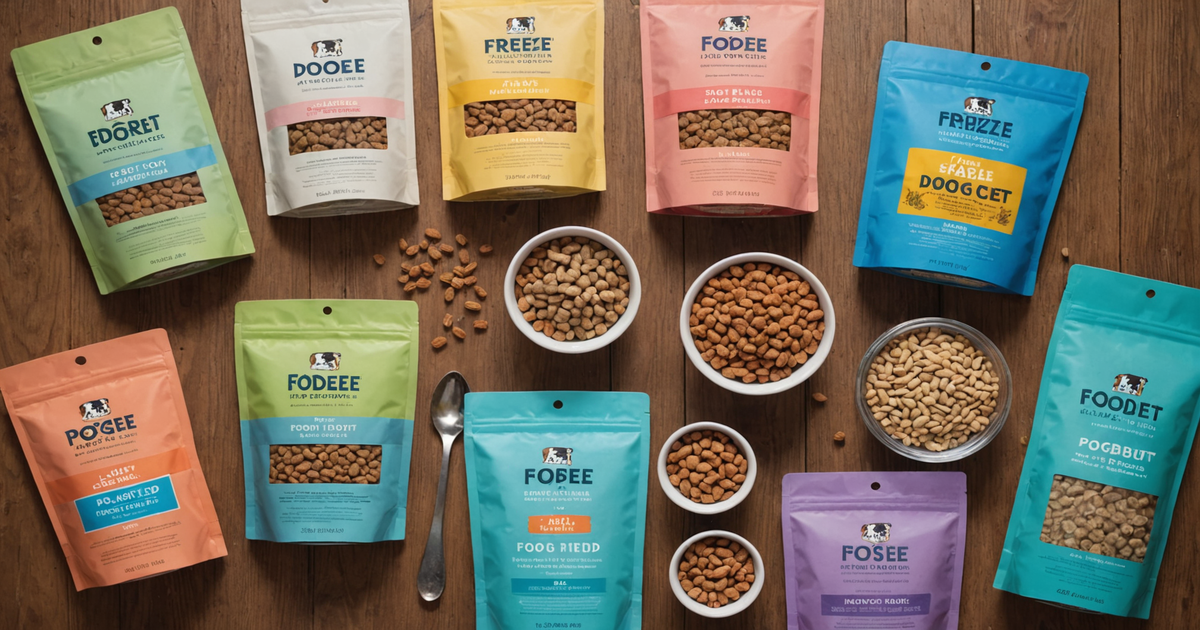
When selecting freeze dry dog food, it’s crucial to understand the labels and ingredients. Look for products that meet the standards set by the AAFCO for complete and balanced nutrition. The Pet Food and Treats guidelines can also offer valuable insights into what to look for on labels.
Every dog is unique, and their dietary needs can vary based on age, breed, and health status. Consulting resources like the WSAVA Global Nutrition Toolkit and speaking with your veterinarian can help tailor a diet that meets your pet’s specific needs. Consider factors such as protein content, fat levels, and any special dietary requirements your dog may have.
Transitioning your dog to freeze dry food should be done gradually to avoid gastrointestinal upset. Start by mixing a small amount of freeze dry food with their current diet, gradually increasing the proportion over 7 to 10 days. This slow transition will help your dog’s digestive system adjust to the new food.
As you introduce freeze dry food, monitor your dog’s health and behaviour closely. Look for improvements in coat condition, energy levels, and overall vitality. If you notice any adverse reactions, consult your veterinarian promptly.
Freeze dry dog food isn’t limited to meals; there are also a variety of treats available. These can be a great supplement to your dog’s diet, offering an additional source of nutrients. For example, salmon treats are rich in Omega-3 fatty acids, which are beneficial for skin and coat health. You can explore a range of freeze-dried treats to find the best options for your pet.
Freeze dry dog food offers a nutritious, convenient, and long-lasting option for feeding your dog. By understanding the benefits, selecting quality products, and transitioning your dog carefully, you can ensure that your pet enjoys a balanced and healthy diet. As with any dietary change, it’s important to consult with your veterinarian and use trusted resources to make informed decisions.
Freeze dry dog food is a type of pet food preserved through a process that removes moisture while retaining nutritional integrity, offering a raw-like diet in a convenient form.
Unlike kibble, which is cooked at high temperatures, freeze dry dog food is uncooked and retains more natural nutrients and flavours, akin to a raw diet.
Most dogs can benefit from freeze dry dog food, but it’s essential to consider individual dietary needs and consult a veterinarian, especially for puppies or dogs with health issues.
Freeze dry dog food should be stored in a cool, dry place. Its long shelf life makes it an excellent option for long-term storage without refrigeration.
Yes, freeze dried dog food can also be given as a nutritious treat alternative. Options like salmon minis are popular for their health benefits.
Introduce freeze dry food gradually over 7 to 10 days, mixing it with their current diet to allow their digestive system to adjust smoothly.
While highly nutritious, freeze dry dog food can be more expensive than traditional kibble. Additionally, some dogs may require time to adjust to the new texture.
Freeze dry dog food is available at pet stores, online retailers, and specialised shops like AK Mountain Dog, offering a range of options to suit different preferences.